Monday, October 26, 2026
Pending Home Sales Decreased 7.3% in September
Pending Home Sales Decreased 7.3% in September: Pending home sales decreased 7.3% in September and 11.3% from a year earlier. All four U.S. regions recorded monthly and annual declines, with the West posting the largest decreases. NAR Chief Economist Lawrence Yun said rising mortgage rates weakened market conditions and continued to affect housing affordability

Monday, October 19, 2026
Existing-Home Sales Increased 1.5% in September, According to NAR Report
Existing-Home Sales Increased 1.5% in September, According to NAR Report: Existing-home sales increased 1.5% in September to a seasonally adjusted annual rate of 3.99 million, according to NAR. Housing inventory rose to 1.60 million units, representing a 4.8-month supply, while the median existing-home price climbed 1.3% year-over-year to $417,500. Sales gains in the South and West were offset by annual declines across all four U.S. regions.
Wednesday, October 14, 2026
Why There are More Homes for Sale Right Now (and What It Means for You)
Why There are More Homes for Sale Right Now (and What It Means for You)

Mortgage rates being back above 7% isn't exactly the news most people wanted. But it’s changing the market in ways that matter whether you’re buying or selling.
The number of homes for sale is growing faster than it was this time last year. And interestingly, the main reason isn’t a flood of new listings. It’s because homes aren’t selling as quickly.
Here’s why – and what that means if you’re thinking about buying or selling.
Inventory Growth Is Picking Up Steam
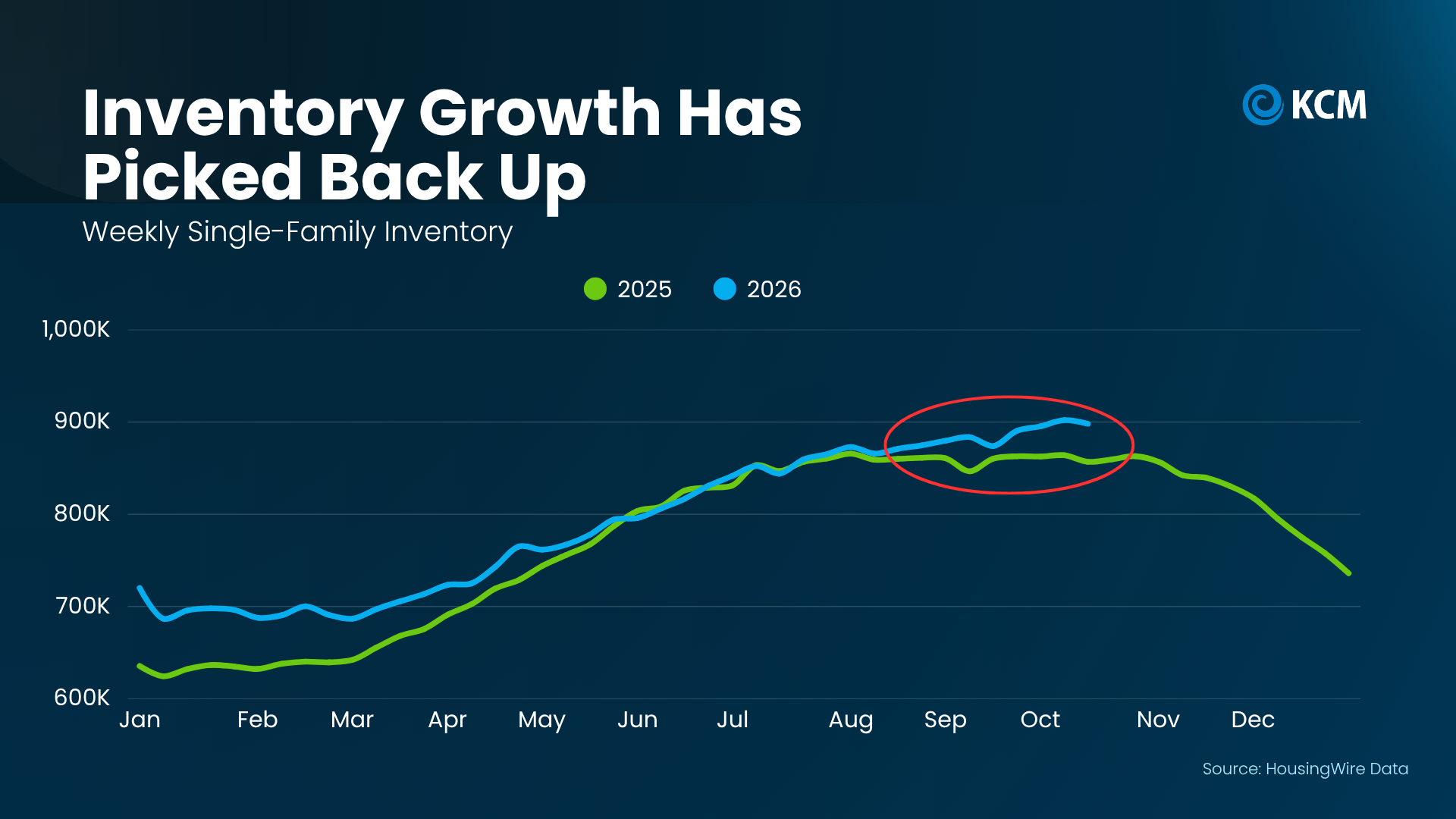
According to HousingWire Data, after inventory growth slowed down for most of the past year, it’s accelerated again in recent weeks. You can see that in the graph below. Just look at the blue line:
And what's behind this shift might surprise you.
When rates rise, some buyers hit pause. That means fewer homes sell each week. And as those unsold homes stay on the market alongside new listings, the number available starts to grow (see the blue line in the graph below).
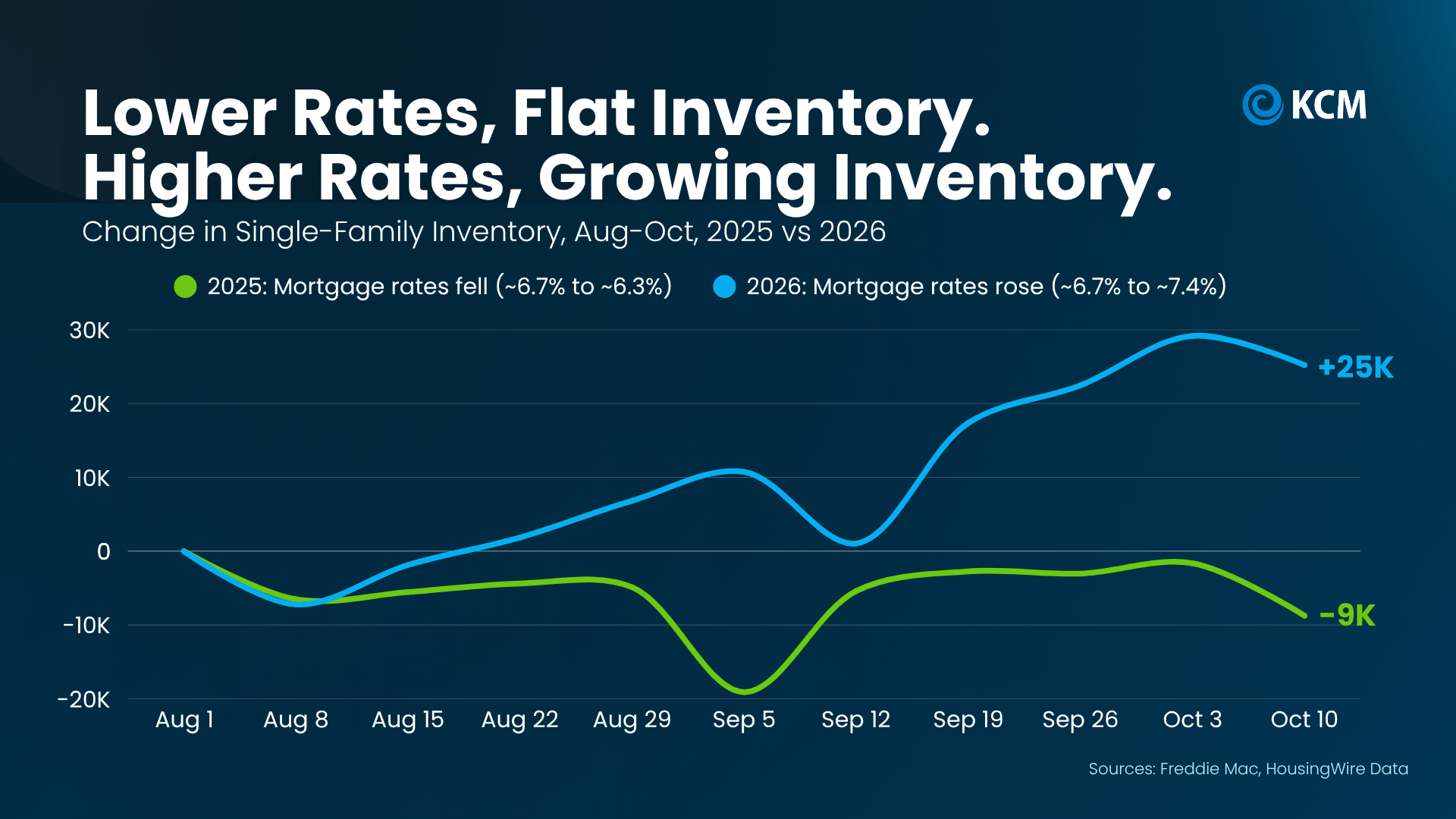
Here’s another way to look at it to make it even more obvious. The graph below shows the relationship between rates and inventory. Again, this year is the blue line. Last year? That’s the green.
With rates inching up this year, you can see inventory has grown by about 25k. But when rates went down this time last year, buyers jumped back in, and inventory actually dropped by about 9k.
Logan Mohtashami, Lead Analyst at HousingWire, explains how that's flipped from 2025 to 2026:
"With mortgage rates over 7%, demand tends to soften and inventory rises . . ."
Homes Are Spending More Time on the Market
Here’s another metric that shows the impact rates are having: time on market. Data from Realtor.com shows the typical home spent 61 days on the market this September. Back in September 2021, it was just 41 days (see graph below):
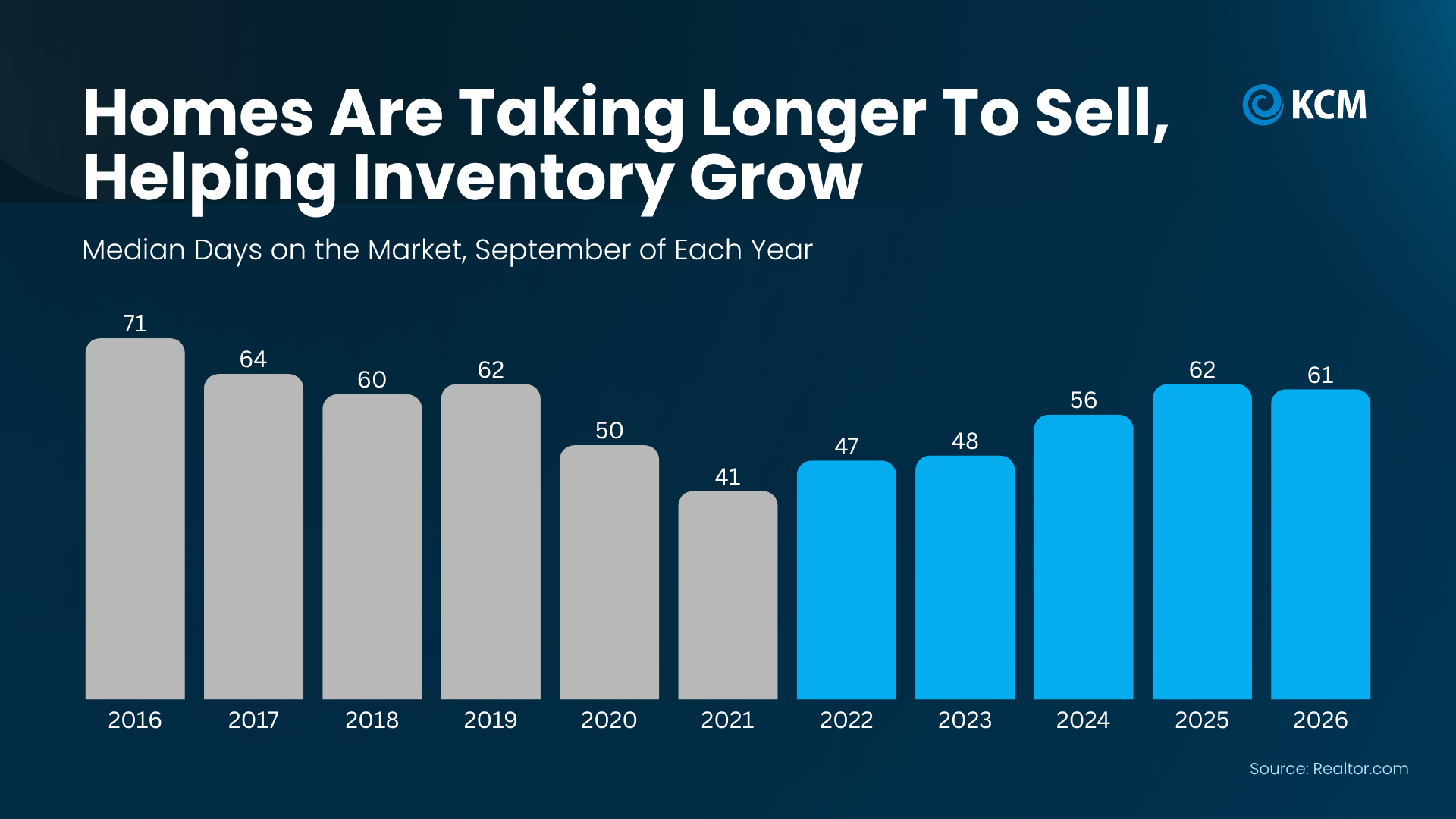
Here’s what that tells us. In 2021, when rates were low, more buyers were active, and homes sold fast. But now that rates are a bit higher, not as many buyers are interested, so it takes a bit longer to close a deal.
How To Make This Market Work for You
So, what does all of this mean for your plans? That depends on which side of the move you’re on:
If you’re buying, more homes for sale means more choices and less pressure to rush. And more room to negotiate too. A house that’s been sitting for a while could have a seller who’s more willing to talk – not just about price, but repairs, closing costs, or even helping buy down your mortgage rate.
That doesn’t mean every seller will play ball. But compared to the frenzy of a few years ago, buyers have more leverage now.
If you're selling, the right strategy can make all the difference. Buyers have more homes to choose from, so making yours stand out is especially important. That starts with pricing it right from day one, making a great first impression, and working with your agent to highlight what makes your house worth choosing. Buyers are still buying and homes are still selling. The key is making sure yours is positioned to attract the right buyer.
The market hasn’t stopped. It’s just moving at a different pace. And whether you’re buying or selling, your strategy needs to move with it.
Bottom Line
In many places right now, inventory is growing and homes are taking a bit longer to sell. And that’s information that should shape the strategy you use going in.
Whether you're buying or selling, let's look at how long homes are taking to sell in your neighborhood, so your offer, or your price, fits today's market.
3 Things You Can Actually Control About Your Mortgage Rate Right Now
3 Things You Can Actually Control About Your Mortgage Rate Right Now

If you're trying to buy a home, affordability is probably what keeps you up at night. And as you watch mortgage rates tick up again lately, it’s fair to wonder if you should just hit pause and wait for them to go down.
For now, though, they’re headed the other way. Mortgage News Daily data shows how rates have risen this year (see graph below):
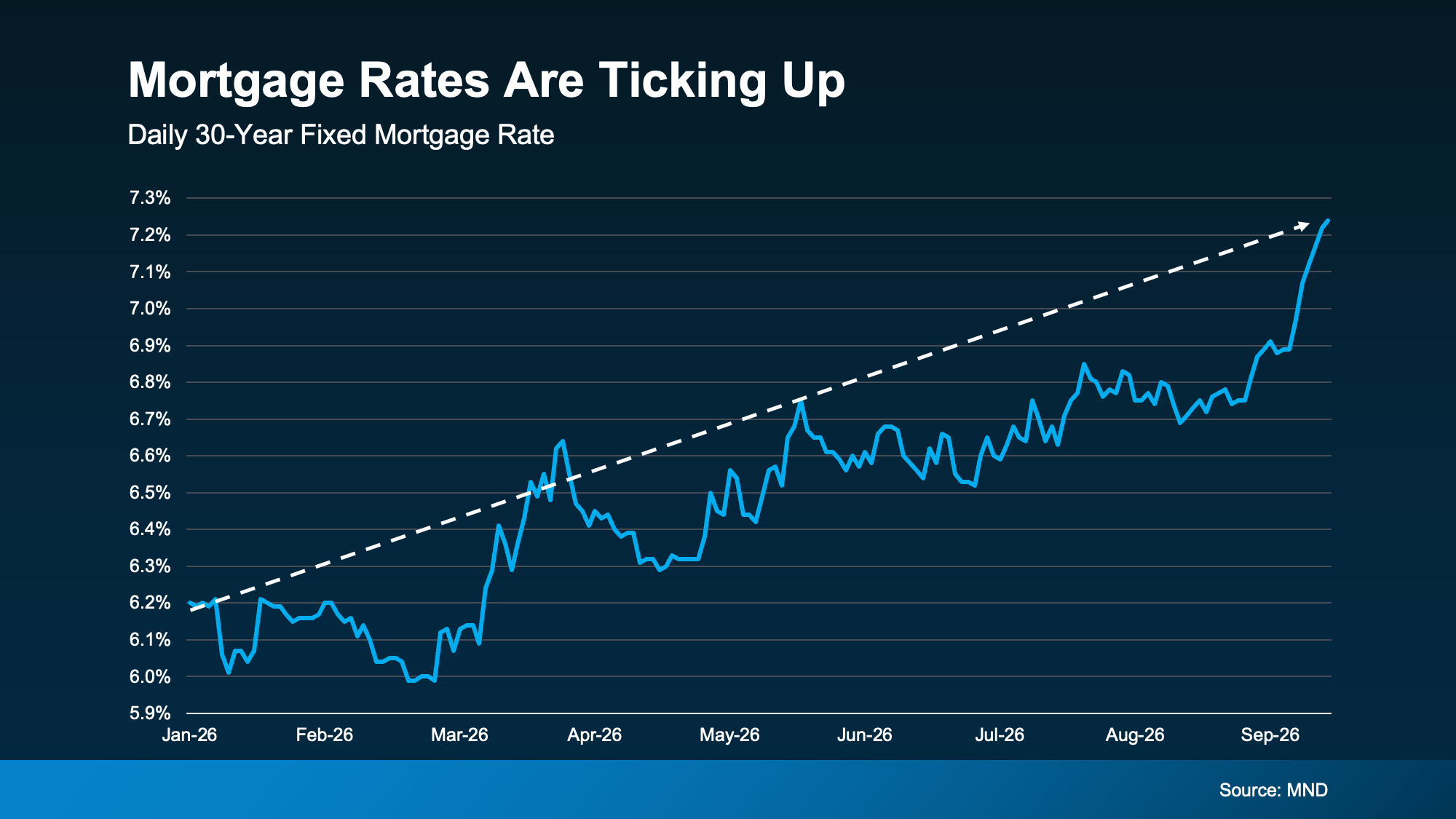
And if you’re wondering why? There are actually a number of reasons.
Mortgage rates are impacted by the situation overseas, economic data, inflation numbers, oil prices, and even decisions from the Federal Reserve (who recently decided to hike their Fed Funds Rate – which often affects mortgage rates too). As Danielle Hale, Chief Economist at Realtor.com, explains:
“The pressure on mortgage rates was here even before the Fed rate hike, and it doesn’t show signs of relenting. . .”
Now, that’s probably not what you wanted to hear. But, it doesn’t mean there’s nothing you can do. While you can't control where rates go from here, you absolutely can control several things that shape the rate you actually get.
So where should you focus? Let's walk through it.
Work on Your Credit Score
Your credit score plays a big role in the rate you qualify for, and even a small improvement can make a real difference in your monthly payment. As Freddie Mac puts it:
"Generally, the higher your credit score the more options will be available to you, including better loan terms and a lower interest rate."
So, make sure you do what you can to keep your credit score up. If you're not sure where your score stands right now, or how to improve it, talk to a trusted loan officer.
Explore Your Loan Options
The type and term of your loan both affect your rate. Conventional, FHA, VA, and USDA loans each come with their own requirements and rates, and your term (15, 20, or 30 years) changes both your payment and the total interest you'll pay. The structure matters, too. A fixed-rate loan holds the same rate over time, while an adjustable-rate loan usually starts lower and can move later on. Bankrate explains it this way:
". . . rates on fixed-rate loans are typically higher than introductory rates on adjustable-rate loans because the fixed-rate lender takes on the risk that rates could increase during the loan’s term. Likewise, government-backed FHA, VA and USDA loans sometimes have lower rates because they have a government guarantee or insurance that cuts the lender’s risk."
It’s important to explore your options with a lender to see what makes the most sense for you. Just be sure to balance your goals, your possible rate, and any potential tradeoffs before making any decision. You may even want to talk to multiple lenders to see how the options vary.
Consider a Newly Built Home
Another path to a lower rate comes down to the kind of home you buy. Many builders are buying down mortgage rates, which lowers your monthly payment. It’s just one way they’re trying to attract buyers and get their homes sold.
According to Realtor.com, buyers of newly built homes landed a lower average rate last quarter than buyers of existing homes (see graph below):
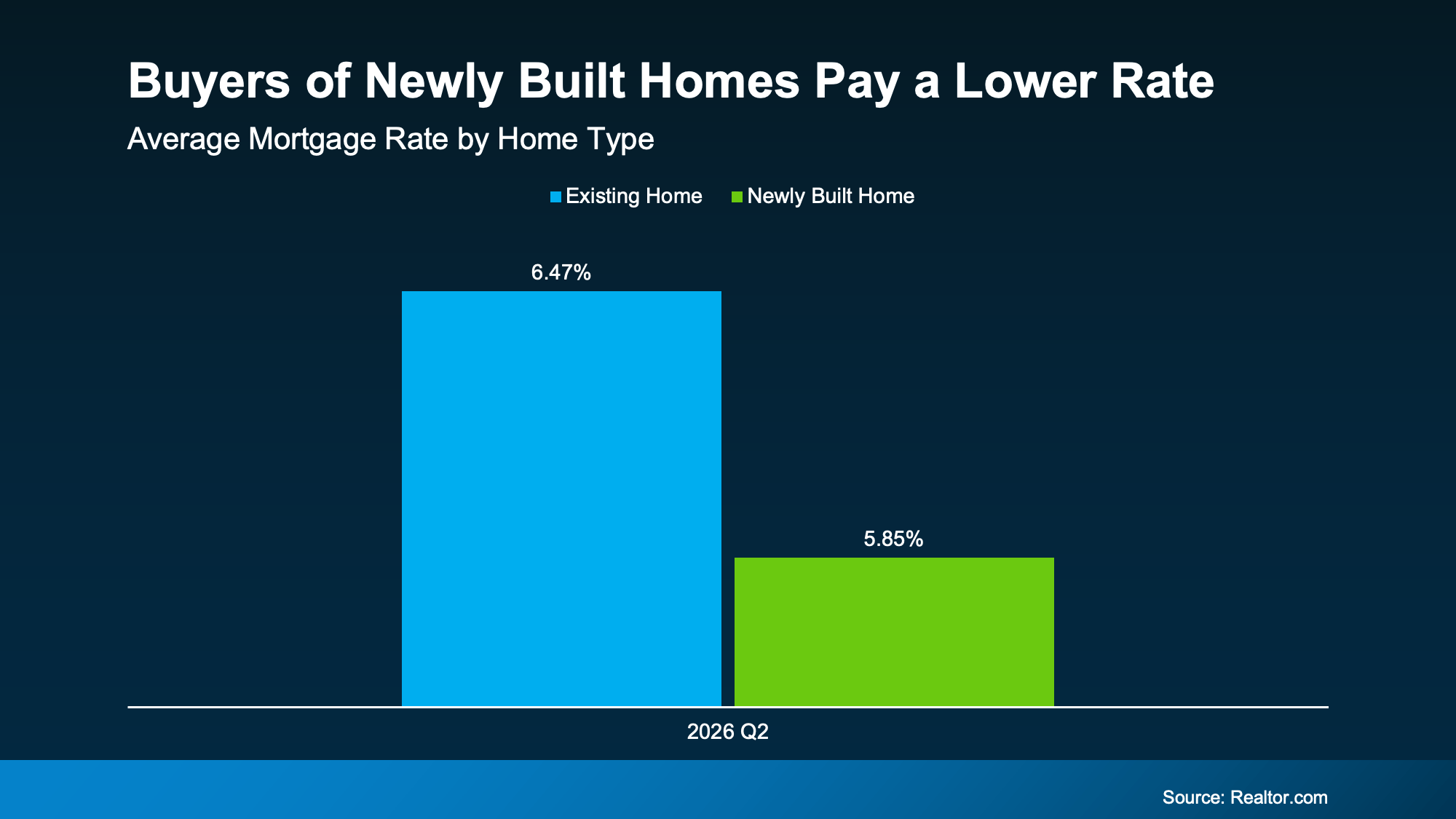
If a lower rate is your goal, it may be worth asking your agent to show you some new build communities that are offering this type of incentive locally.
Bottom Line
You can't control where mortgage rates go, but you can control your credit, your loan, and the kind of home you buy. Working with a trusted lender can help you lock in the best rate you qualify for. And when you’re ready to make a move that fits your budget, let’s connect.
Friday, October 2, 2026
Selling This Fall? You Want To Get These 4 Things Right.
Selling This Fall? You Want To Get These 4 Things Right.

Selling your house this fall is absolutely doable. But there’s something you need to know about this time of year.
Buyer activity typically starts to slow while the number of homes for sale climb – and you need the right strategy to get attention in this type of market.
The good news? There’s a lot you can control.
From how you price and present your house to how you negotiate and respond to feedback. Here are four things you’ll want to get right this fall.
#1: Price To Get Buyers’ Attention
In the fall, there are typically fewer buyers looking and more homes for them to choose from. So, you want to make the most of every buyer who comes across your house.
And your price is one of the first things that can make them stop and take a closer look – or keep scrolling.
That’s why this isn’t the time to start high “just to see what happens.”
If buyers think your house is overpriced, they have plenty of other options to move on to. And that could leave you sitting and waiting.
So, if you want to sell before year-end, work with your agent to find the right price for your house and today’s market. That may mean listing at market value – or even slightly below it – to grab buyers’ attention.
Redfin explains how a seemingly small difference can change your buyer pool:
“Buyers often search in round-number price brackets, so pricing at $499,000 instead of $505,000 can make your home appear in more searches and feel like a better deal.”
#2: Make a Great First Impression
When buyers had very few homes to choose from, they were often more willing to overlook dated finishes or a house that needed some work. That’s harder to count on now.
With more choices, how your house looks online and in person can determine whether it makes a buyer’s shortlist at all.
That doesn’t mean you need a full renovation before you sell, but you should take care of essential repairs, do what you can to boost curb appeal, and make sure your house photographs well. Maybe that’s some light staging, maybe it’s swapping out faucets or lights, or maybe a fresh coat of paint. Small details can help a lot.
After all, you only get one chance to make that first impression. Make it count.
#3: Stay Open To Negotiating
Some sellers are still expecting the kind of leverage they had a few years ago. But in many markets, buyers have more negotiating power today and there’s a lot more give and take.
The latest data from Redfin shows 46.2% of sellers gave buyers some type of concession. So, consider throwing in a little help with closing costs or covering a repair. Almost half of sellers are.
The takeaway? Playing hard ball may not get you what you want. But being flexible might. The key is not getting so focused on “winning” every individual negotiation that you lose sight of the bigger goal: making your move happen.
Sometimes a small concession is what gets you to the closing table.
#4: Know When It’s Time To Adjust
Sometimes your house tells you when something isn’t working. Maybe you’re getting plenty of online views but very few showings. Or buyers are coming through, but you’re not getting offers. Or maybe buyer feedback has one recurring theme.
Pay attention to those signals. They can help you figure out what needs to change.
Let’s say your price is the most common point of feedback. Talk to your agent about a price drop. It doesn’t have to be a big change to make a big difference. The average price cut right now is 4% according to HousingWire Data. That’s normal.
Now, that doesn’t mean you should panic and slash your price after a week. It means you and your agent should pay attention to what buyers are telling you and adjust if you need to.
Sometimes the smartest move isn’t waiting for the right buyer. It’s making sure you’re giving that buyer a reason to act.
Bottom Line
Selling this fall is absolutely doable. And now you know four of the biggest things to get right.
If you want to sell before the end of the year, let’s make sure you have a winning strategy from day one.
Tuesday, September 22, 2026
NAR Pending Home Sales Report Shows 0.3% Increase in August
NAR Pending Home Sales Report Shows 0.3% Increase in August: NAR's Pending Home Sales Report shows contract signings increased 0.3% in August 2026, with gains in the South and West offset by declines in the Northeast and Midwest. Compared to a year ago, pending sales were down 4.7% across all regions. Higher mortgage rates continued to weigh on buyer activity despite job growth, rising incomes, and improved purchasing power.
Monday, September 14, 2026
NAR Existing-Home Sales Report Shows 2.0% Decrease in August
NAR Existing-Home Sales Report Shows 2.0% Decrease in August: Existing-home sales declined 2.0% month-over-month and 1.2% year-over-year in August to a seasonally adjusted annual rate of 3.98 million, NAR reported. Inventory rose to 1.62 million units, a 4.9-month supply and the highest in over a decade, giving buyers more room to negotiate.
Subscribe to:
Posts (Atom)
-
4 Reasons Your House Is High on Every Buyer’s Wish List This Season When the holidays roll around, travel plans, family gatherings, and al...
-
ONLY $440,000 - A must see SW Portland Vintage Chamer!
-
Lower Asking Prices Are a Win for Today’s Buyers If affordability has been the biggest thing standing between you and a home, there's ...

